Pawlett Primary School
A useful marker for jobs on the northern side of the village. We avoid arriving or loading during the school run, so if your property is nearby we will usually schedule around drop-off and pick-up times.
Spray foam removal in Pawlett is what we do every week, from Church Lane cottages to newer homes off Pawlett Road. If a surveyor has flagged spray foam insulation in your loft, or you have spotted condensation and damp around roof timbers, our team cuts it out, clears the debris and leaves the roof space ready for a breathable membrane and fresh insulation. We work across Somerset with dry ice blasting and industrial vacuum extraction, so the mess stays outside your home.
Every service we offer is built around one problem: spray foam insulation that has to come out. In Pawlett that usually means loft and roof foam on older properties, cavity wall foam in post-war houses, and the occasional warehouse or agricultural building near the M5 junction 23 corridor. If you have been searching for spray foam removal near me Pawlett and want a straight answer on cost and timescale, we quote from photos before we travel, then confirm on site.
 Spray Foam Removal near meOur nearest-crew service covers all of Pawlett, from Pawlett Park to Church Lane. Send us photos of the foam and roof timbers and we will tell you what needs cutting out, what can stay, and what the job costs. Most Pawlett lofts are cleared in one visit.View details →
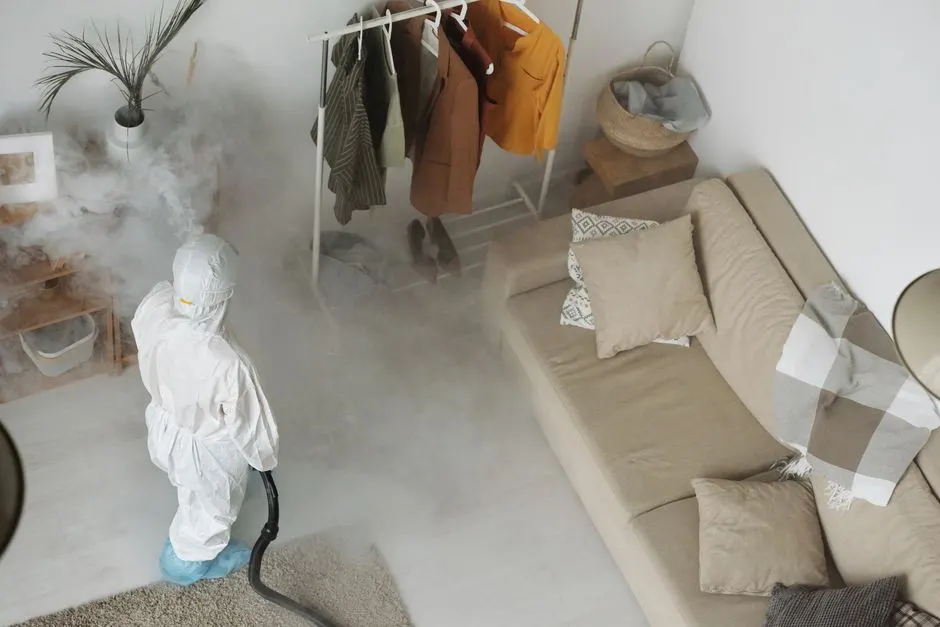 Same day Spray Foam RemovalSame day spray foam removal Pawlett Somerset is realistic when you call before midday. We keep a crew on the Bridgwater side of the A38 specifically for urgent Pawlett and Puriton jobs, so a surveyor deadline or a collapsed sale can often be sorted the same afternoon, foam bagged and gone.View details →
 24/7 Spray Foam RemovalWater getting in past failed foam does not wait for office hours. Our 24/7 spray foam removal Pawlett near me line covers emergency call-outs across TA6 4 and TA7 8, including out-of-hours visits when a leak is soaking roof timbers or foam odour is making a property unusable.View details →
 Residential Spray Foam RemovalMost Pawlett work is residential: stone cottages near St Mary's Church, brick semis along Pawlett Road, and modern homes on Pawlett Hill. We protect floors and loft hatches, extract foam with vacuum units, and leave the roof space clean enough for your next insulation layer.View details →
 Commercial Spray Foam RemovalBarns, workshops and units around Pawlett and the Dunball industrial edge often carry foam on roof sheets. We work around your operating hours, use negative air machines to keep dust contained, and dispose of foam under waste transfer documentation your insurer will accept.View details →
 Loft Spray Foam RemovalLoft foam is the number one reason Pawlett homeowners call us. Foam sprayed across the rafters blocks ventilation and traps moisture against the roof timber. We cut it back, inspect for rot with a boroscope camera, and restore airflow so the loft can breathe again.View details →
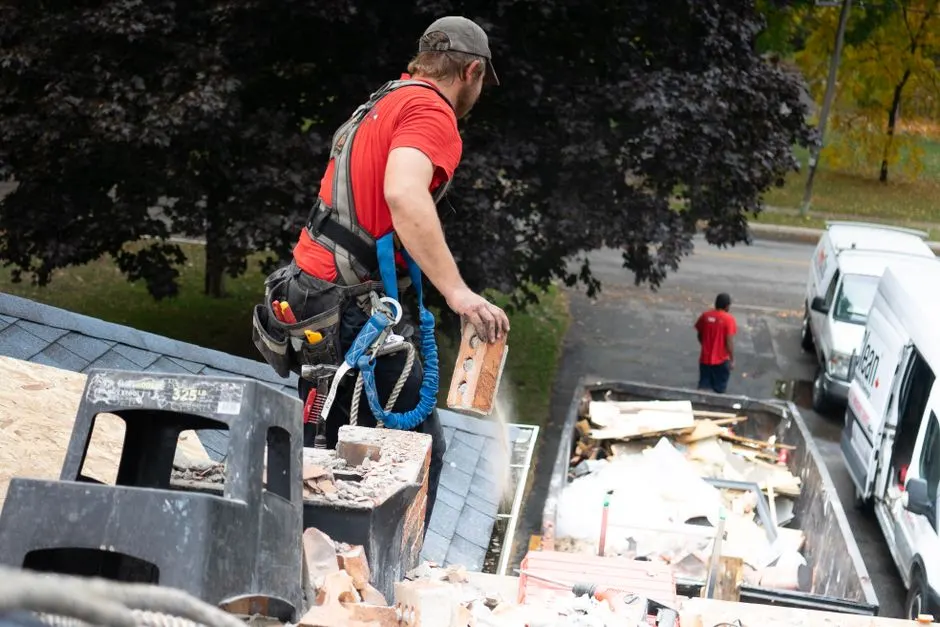 Roof Spray Foam RemovalFoam applied directly to the underside of roof tiles or felt is the hardest to remove without damage. On Pawlett's older roofs we use dry ice blasting and hand tools rather than aggressive methods, so tiles, battens and rafters survive the process intact.View details →
 Attic Spray Foam RemovalAttic spaces in Pawlett's Victorian and 1930s homes are often tight, low and awkward. We work with oscillating multi-tools and reciprocating saws to reach foam in eaves and corners, then vacuum out every fragment so nothing is left behind to cause damp later.View details →
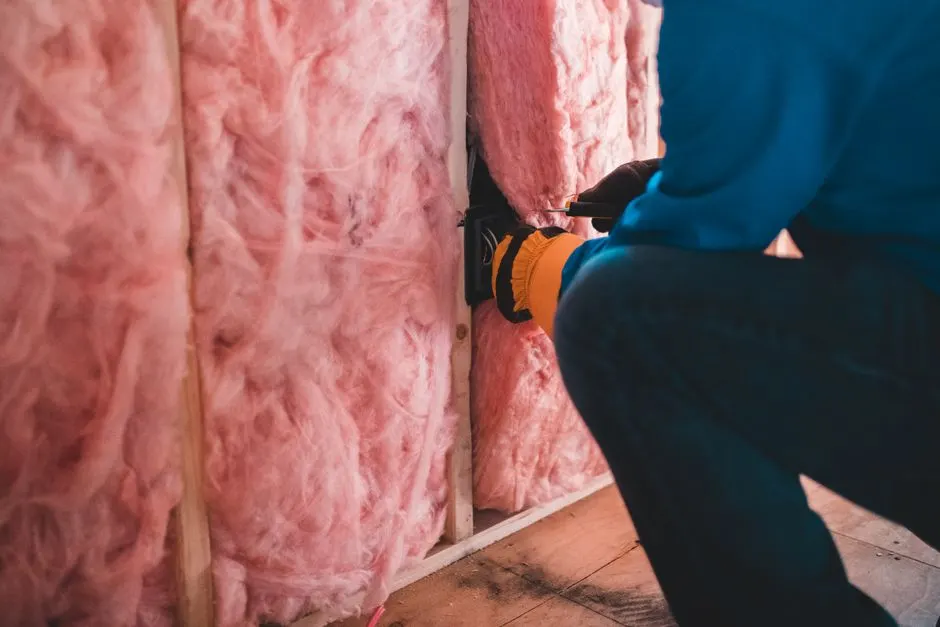 Spray Foam Insulation RemovalFull insulation removal means foam, contaminated mineral wool and any failed vapour barrier come out together. In Pawlett we usually find foam sitting on top of older loft insulation, so we strip both, check the timbers, and advise on what to put back.View details →
 Open Cell Spray Foam RemovalOpen cell foam is softer and often easier to cut away, but it still blocks loft ventilation when sprayed thick. We remove it from Pawlett lofts with hand tools and vacuum extraction, checking the moisture meter readings on the rafters before we sign the job off.View details →
 Closed Cell Spray Foam RemovalClosed cell foam sets like rock and is the type most likely to fail a mortgage survey. Removing it from Pawlett roofs takes thermal blasting equipment and patience. We cut it in sections, protect the timber, and document the removal for your lender.View details →
 Mortgage Lender Spray Foam RemovalIf a lender has refused your mortgage because of spray foam, we handle the whole process for Pawlett buyers: removal, timber inspection, photographic evidence and a written summary your surveyor can file. We have helped sales near Pawlett Green complete after a foam flag.View details →
 Insulation Removal ServiceSometimes the foam is only part of the problem. Our insulation removal service in Pawlett clears foam, sodden quilt, debris and old vapour barriers in one visit, then leaves the loft swept and ready for a breathable membrane and new insulation.View details →
 Insulation AssessmentBefore you spend money, get a proper assessment. We inspect Pawlett lofts with thermal imaging cameras and moisture meters, tell you whether the foam is actually causing harm, and give you a written view you can hand to a surveyor or lender.View details →
 Dry Ice Blasting Spray Foam RemovalDry ice blasting lifts foam off timber without water, chemicals or abrasion. It is our preferred method on Pawlett's older rafters, where sand blasting would chew the grain. The dry ice pellets disappear as they work, leaving only the foam to vacuum up.View details →
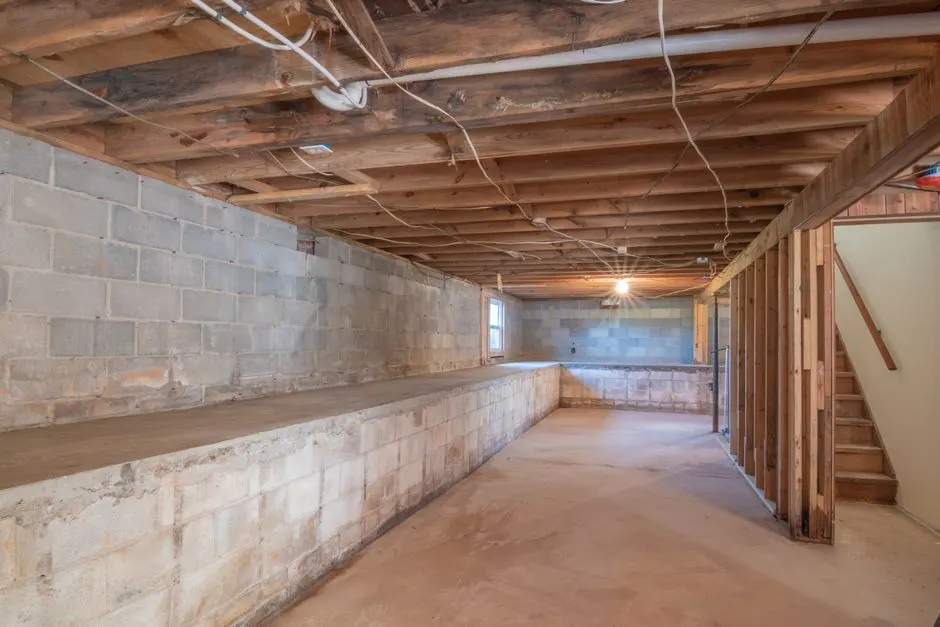 Cavity Wall Spray Foam RemovalCavity wall foam is common in Pawlett's post-war housing and often shows up as damp patches on internal walls. We remove it through drilled access points, clear the cavity, and make good the brickwork so the wall can dry out and drain properly again.View details →
 Sand Blasting Spray Foam Insulation RemovalFor stubborn closed cell foam on brick and blockwork in Pawlett outbuildings, sand blasting equipment strips the surface back cleanly. We control dust with air scrubbers and sheeting, and we only use it where the substrate can take it.View details →
 Thermal Spray Foam RemovalThermal blasting equipment softens the bond between foam and timber so it lifts away in sheets rather than tearing. On Pawlett roofs where foam has been in place for over a decade, this is often the only way to remove it without damaging rafters.View details →
 Environmentally Friendly Insulation RemovalFoam waste has to go somewhere, and we keep it out of landfill where we can. Our environmentally friendly removal service in Pawlett separates foam, timber and packaging for proper recycling, and we use low-emission equipment throughout.View details →
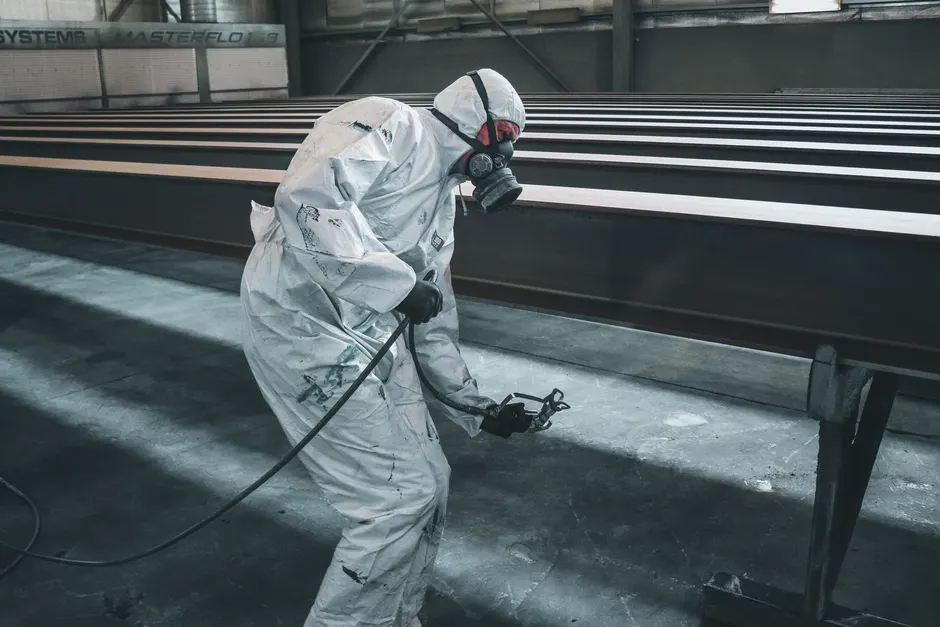 Warehouse Spray Foam RemovalUnits around Pawlett and the Dunball trading area often have foam sprayed onto roof decks and steelwork. We survey the structure, plan the removal around your shifts, and use negative air machines and PPE disposable coveralls to keep the site compliant while we work.View details →
Pawlett jobs follow a set routine. We arrive, sheet up the loft hatch and stairwell, and run a boroscope inspection camera along the rafters before anything is cut. Foam is then removed with dry ice blasting or thermal b
Pawlett's traditional stone and brick properties absorb and hold moisture differently from modern blockwork. Foam traps that moisture against roof timber, so removal has to be followed by a drying period before any new insulation goes in.
How we help: We take moisture meter readings on every rafter before and after removal, and we fit breathable membrane rather than a sealed vapour barrier. If readings are still high, we advise a drying window and come back to finish the job properly.
Pawlett sits near the River Parrett and the nature reserve, so ground and air moisture levels run higher than on the ridge villages. Foam that blocks loft ventilation makes condensation worse, which is why so many local lofts show damp staining.
How we help: We clear ventilation paths at the eaves as part of every removal, check that air can move from soffit to ridge, and use thermal imaging cameras to confirm there are no cold spots left behind before we pack up.
Church Lane, Pawlett Green and parts of Monmouth Road were never built for vans and skips. Getting equipment in and waste out without blocking the lane takes planning, especially when neighbours need to get past.
How we help: We survey access before the job day, work from the driveway where possible, and bag foam on site so it can be carried out in one trip. If a lane needs a short hold, we knock on doors first and keep the window as brief as we can.
Surveyor has flagged spray foam insulation
Damp or dark staining on roof timbers
Condensation dripping from the loft hatch
Persistent chemical or musty odour upstairs
Home insurance renewal refused or loaded
Pawlett is a small village, but the lanes can catch you out if you do not know them. We use the primary school, the church and the village hall as our main reference points when planning jobs, and we route in from the A38 or the M5 junction 23 depending on which side of the village you are on. If you are giving directions, mention the nearest landmark and we will find you.
A useful marker for jobs on the northern side of the village. We avoid arriving or loading during the school run, so if your property is nearby we will usually schedule around drop-off and pick-up times.
The church sits at the historic heart of the village and is the easiest way to orientate around Church Lane and the older stone properties nearby. If you are close to the church, we know exactly which lanes are tight for van access.
A central reference point for the Pawlett Green and Pawlett Road area. We use it to plan parking when a job needs equipment carried any distance, and it helps us judge how much time to allow on site.
Handy for locating properties on the southern edge of the village. If your home backs onto the playing fields, we will approach from the quieter side and keep the van off the main thoroughfare while we load.
These are our most frequently served ZIP codes. Nearby areas may also qualify—call if you do not see yours.
Church Lane and village centre · Pawlett Hill · Pawlett Green and Pawlett Road · Monmouth Road and Pawlett Park
Our team can help if your question is not answered here.
Call 0127 827 6038 →Most Pawlett lofts cost between 1,500 and 2,400 pounds in 2026, with small open cell jobs from around 1,200 pounds and full closed cell roofs up to 3,500 pounds or more. The price depends on foam type, roof area and whether the timbers need treatment. We quote from photos first, then confirm on site.
Look for a contractor with the right equipment and the paperwork to back it up. We use dry ice blasting, thermal blasting and industrial vacuum extraction, hold CHAS accreditation and SafeContractor, and provide lender-ready documentation. We have worked Pawlett since 2022 and know the local building stock.
Yes, if you call before midday. We keep a crew on the Bridgwater side of the A38 for urgent Pawlett and Puriton jobs, so surveyor deadlines and stalled sales can often be sorted the same afternoon. Emergency call-outs are covered 24/7 for leaks and odour.
Removal itself is not covered by a mortgage, but it is often required before a lender will proceed. We remove the foam, inspect the timbers, photograph each stage and give you a written summary your surveyor can file. That documentation is usually what unblocks the application.
A typical single loft takes four to six hours, so most Pawlett jobs are done in a day. Larger roofs with hard closed cell foam can take two days, especially if timber repairs are needed. We confirm the timescale after the initial survey and stick to it.

Free survey, fixed written quote, and a documentation pack your lender will accept. Call 0127 827 6038 or book online and we will get you on the schedule, often the same day.
Tell us what you are seeing and where you are located. Our team will call to confirm the right appointment type and timing.