Surveyor flagged spray foam insulation
We assess within 48 hours, blast the foam off, and provide dated photos and moisture readings your surveyor can file. Most Bridgwater sales we unblock complete within four to six weeks of the blast.
Sand blasting spray foam insulation removal in Bridgwater, Somerset is the fastest way to strip failed foam from rafters, trusses and loft decks. If a surveyor has flagged your spray foam, or your mortgage lender has stalled, we blast it back to bare timber, extract the dust and leave the roof breathing again. We work across Bridgwater and the surrounding Somerset villages, usually within 48 hours of your call.

Sand blasting spray foam insulation removal in Bridgwater, Somerset is a controlled abrasive process that strips polyurethane foam off roof timber, rafters and loft surfaces without gouging the wood underneath. We use a regulated blasting rig with adjustable pressure, then follow it with an industrial vacuum extraction unit and air scrubber so dust never drifts into your living space. The result is clean, breathable timber ready for a vapour barrier, breathable membrane or new loft insulation.
Most Bridgwater homeowners call us after a surveyor flags spray foam insulation during a sale, remortgage or equity release. Trapped moisture behind closed cell spray foam is the usual culprit, and it rots roof timber quietly for years before anyone notices. We also get calls from landlords in Eastover and Hamp whose tenants have complained about spray foam odour, and from families in Wembdon who just want their loft back for storage. Whatever the reason, we assess first and blast second.
Every sand blasting job includes the full removal, extraction and documentation package. There are no hidden extras for the basics, and if your roof needs additional work such as timber repairs or new insulation, we tell you at assessment so you can decide.
We sheet floors, seal the loft hatch and set up a negative air machine before any blasting starts. Your kitchen, bedding and carpets stay clean. We have run occupied-home jobs across Bridgwater without a single dust complaint.
We use a regulated sand blasting equipment rig with adjustable pressure, working rafter by rafter. Pressure is tuned to the foam type and timber condition so we strip foam without scarring the wood underneath.
An industrial vacuum extraction unit pulls debris straight into sealed bags, while an air scrubber runs until the loft air is clear. We do not leave dust sitting on your joists for you to deal with later.
Every rafter gets checked with a boroscope inspection camera for foam pockets, rot and moisture damage. If we find structural timber decay, we flag it with photos and recommend a joiner before any new insulation goes back in.
You get before-and-after moisture meter readings and a dated photo set of every rafter. This is the documentation mortgage lenders and surveyors ask for, and it saves weeks of back-and-forth during a sale.
All foam debris is bagged, removed and disposed of through licensed waste routes. We separate materials for recycling where possible, so your removal is as clean environmentally as it is physically.
We visit, measure the foam coverage, check timber moisture with a moisture meter and photograph everything. You get a fixed written price the same day. Most Bridgwater lofts take 30 to 45 minutes to assess properly.
On the day, we lay protective sheeting, seal the loft hatch and set up a negative air machine so dust cannot escape into the house. We fit respirator filters and PPE disposable coveralls before anyone steps into the roof space.
We blast the foam off rafters and trusses with a regulated sand blasting equipment rig. Pressure is adjusted rafter by rafter so we strip foam without scarring the timber. A typical three-bedroom semi in Bridgwater takes four to seven hours of blasting.
An industrial vacuum extraction unit pulls the debris straight into sealed bags, and an air scrubber runs until the loft air is clear. We inspect every rafter with a boroscope inspection camera to confirm no foam pockets remain behind joints or noggins.
We take moisture readings, photograph the finished timber and walk you through what we found. You get the photo set for your lender or surveyor, plus a written summary of the roof condition. Most jobs are signed off the same day.
Purpose-built equipment, used by trained technicians — so the job is done accurately the first time.
Regulated blasting rig with adjustable pressure for stripping open cell and closed cell foam off rafters and trusses without gouging the timber.
Pulls blasting debris straight into sealed bags so dust never settles on your joists or drifts into the house below.
Keeps loft air clean during blasting and runs until the space is clear. Essential for occupied homes across Bridgwater.
Lets us check behind noggins, joints and rafters for foam pockets, rot and moisture damage that is invisible from the loft floor.
Records timber moisture before and after removal, and spots cold bridging or damp patches the eye would miss. The readings go into your documentation pack.
For carefully cutting away stubborn foam edges and any fixings around rafters without damaging the timber structure.
Full protective kit for every technician. Foam dust is not something to breathe, and we treat it that way on every job.
A three-bedroom semi in Wembdon had closed cell foam sprayed across every rafter. The buyer's surveyor flagged it, the lender refused the mortgage and the sale stalled with the chain waiting. Moisture readings on the rafters were sitting at 26%.
We blasted the foam off in a single day, extracted the debris and checked every rafter with a boroscope camera. Moisture readings dropped to 15% within a fortnight. The dated photo pack went to the lender, and the sale completed three weeks later.
A landlord in Eastover had two tenants complaining about a musty smell in a loft bedroom. The foam was off-gassing and trapping condensation against the rafters, and the loft had no usable ventilation. The tenants were threatening to leave.
We stripped the foam, ran an air scrubber until the loft air was clear and fitted a breathable membrane. The smell cleared within a week, moisture readings fell from 24% to 14%, and both tenants stayed on. The landlord now has documented evidence for future surveys.
A homeowner in Bridgwater Town Centre was remortgaging and the lender demanded proof that spray foam had been removed and the timber was sound. The loft had open cell foam across the rafters and no documentation from the original installation.
We assessed on the Tuesday, blasted the foam on the Thursday and delivered a full pack by Friday: dated rafter photos, before-and-after moisture readings and a written summary. The lender signed off the following week and the remortgage completed without further delay.
Spray foam causes a predictable set of problems in Somerset homes. Here is what we see most often, and how we fix it.
Ask a pro →We assess within 48 hours, blast the foam off, and provide dated photos and moisture readings your surveyor can file. Most Bridgwater sales we unblock complete within four to six weeks of the blast.
We blast the foam off, check every rafter with a boroscope inspection camera and moisture meter, and let the timber dry. Readings typically fall from 22-28% down to 14-16% within a fortnight.
We clear the foam, open the ventilation path and can fit a breathable membrane so the roof cavity breathes again. Customers in Sydenham and Bower Manor usually notice the smell gone within days.
Sand blasting removes the foam at source rather than masking the smell. Once extraction is finished and the loft air is scrubbed, most customers tell us the space smells neutral within a day or two.
Most Bridgwater loft jobs run £1,800 to £4,500 in 2026, depending on foam type, roof size and access. A typical three-bedroom semi with closed cell foam across the rafters sits around £2,400 to £3,200. Larger detached homes, or roofs with limited access, push towards the top of the range. We give you a fixed written price after a free assessment.
It is a controlled abrasive process that strips spray foam insulation off roof timber using a regulated blasting rig. We adjust pressure so the foam comes away cleanly without gouging the rafters, then extract the debris with an industrial vacuum and air scrubber. It is the fastest way to get timber back to a breathable state for surveyors and lenders.
Yes, when it is done with the right pressure and the right media. We test a small section first, check the timber with a moisture meter and boroscope inspection camera, and adjust before full blasting. The aim is to remove foam, not wood. If a rafter is already rotten, we flag it and recommend a joiner rather than blasting over it.
A typical three-bedroom semi takes one working day, usually four to seven hours of blasting plus extraction. Larger detached homes or heavy closed cell foam can run to two days. We confirm the expected duration at assessment so you can plan access, parking and time away from the house if you prefer.
 Spray Foam Removal near meOur core spray foam removal service covers lofts, rafters and cavity walls across Bridgwater. If you are searching for spray foam removal near me, we assess the foam type, quote a fixed price and clear it properly so your roof can breathe again.Explore →
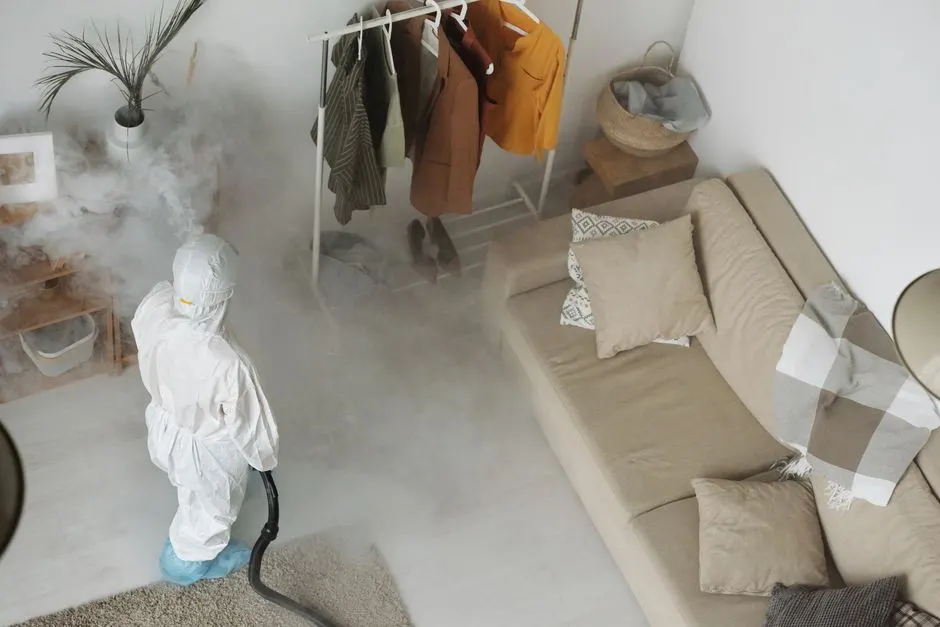 Same day Spray Foam RemovalWhen a lender or buyer needs foam gone fast, we can often mobilise the same day across Bridgwater. Same day spray foam removal suits urgent sales, last-minute surveyor visits and pre-completion deadlines where every day costs you money.Explore →
 24/7 Spray Foam RemovalFor commercial premises, landlords and emergency situations we run a 24/7 spray foam removal line. Call 0127 827 6038 any hour and we will arrange an assessment or mobilise a crew to Bridgwater as quickly as the job allows.Explore →
 Residential Spray Foam RemovalMost of our Bridgwater work is residential spray foam removal in occupied homes. We protect floors, seal the loft hatch, run negative air machines and leave the house clean. You get photo documentation for your lender and a written summary of the timber condition.Explore →
 Commercial Spray Foam RemovalCommercial spray foam removal covers warehouses, workshops and industrial units around Bridgwater and Dunball. We work around your operating hours, use larger extraction kit and provide method statements and risk assessments for site managers before we start.Explore →
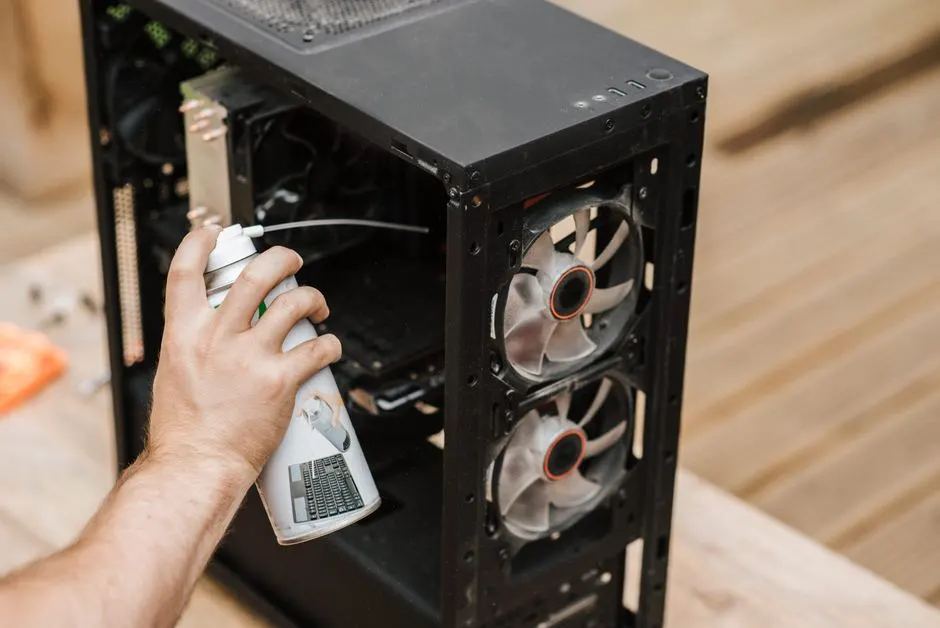 Loft Spray Foam RemovalLoft spray foam removal is our most common job. We strip foam from rafters, trusses and loft decks, clear the debris and check ventilation paths. Most Bridgwater lofts are back in use within a day, ready for new insulation or storage.Explore →
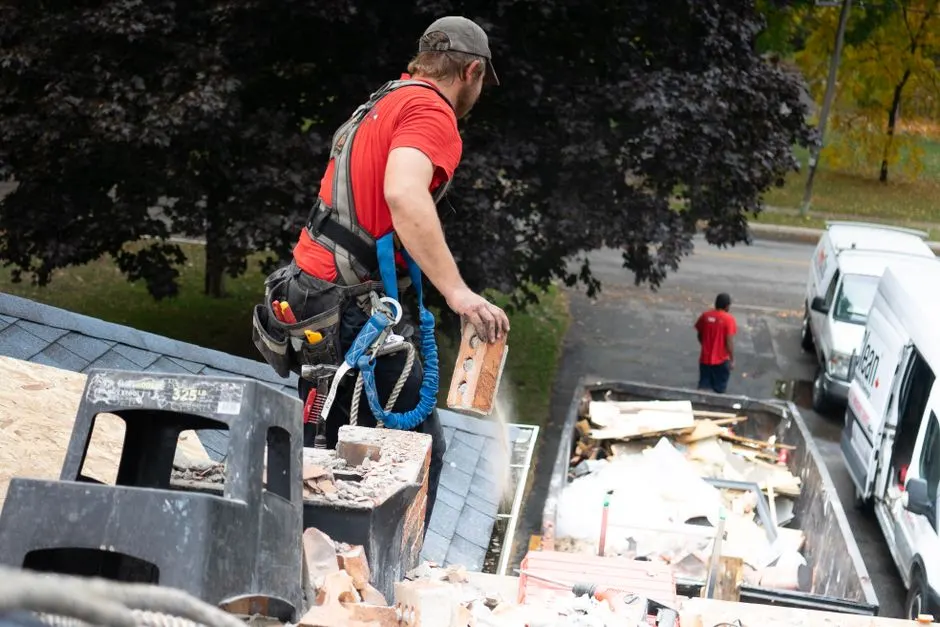 Roof Spray Foam RemovalRoof spray foam removal deals with foam sprayed directly onto the underside of roof coverings and rafters. We work carefully around felt, battens and breathable membrane so the roof structure stays sound while the foam comes away cleanly.Explore →
 Attic Spray Foam RemovalAttic spray foam removal covers older properties where the attic has been foam-filled. We assess access, set up extraction and clear the foam without disturbing the rest of the house. Many Bridgwater attics we clear have been sealed shut for a decade or more.Explore →
We are CHAS accredited, fully insured and based in Bridgwater, so we can usually assess your loft within 48 hours. Call 0127 827 6038 and we will give you a fixed price, a start date and a clear plan for getting your roof timber clean.
Get a fixed quote 0127 827 6038 →Call 0127 827 6038 or email us and a technician will get back to you the same working day. We answer the phone from 8am to 6pm Monday to Friday, and our emergency line is staffed 24/7 for urgent foam problems. Free surveys across Bridgwater and the surrounding villages, usually booked within two working days.