How dry ice blasting removes spray foam from roof timbers
Dry ice blasting removes spray foam from roof timbers by freezing the foam to -78.5°C until it turns brittle and lifts off, leaving the timber intact and dry.
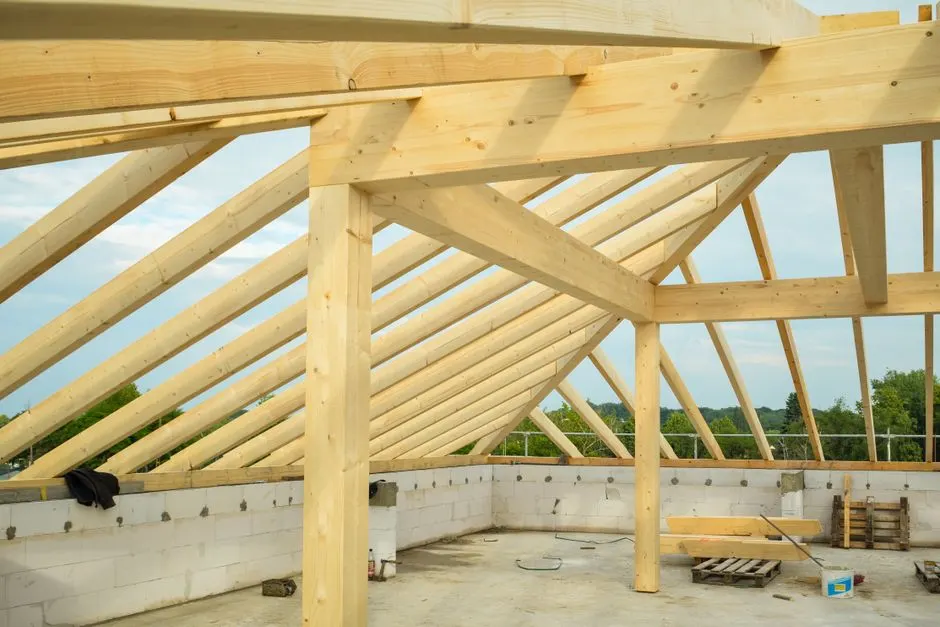
Dry ice blasting removes spray foam from roof timbers by firing soft pellets of solid carbon dioxide at roughly -78.5°C, which flash-freezes the foam until it turns brittle and releases its grip on the wood. The pellets then sublimate straight into gas, so there is no water, no grit, and no chemical residue left behind on your rafters. That is the whole trick, and it is why the method has become the default for dry ice blasting spray foam removal in Bridgwater, Somerset where roof timbers need to survive the job. The rest of this post covers the physics, the safety question, the cost, and the mistakes that turn a two-day job into a three-week one.
What dry ice blasting actually does to spray foam
Dry ice blasting spray foam removal is a three-part physical process - thermal shock, kinetic impact, and sublimation - that lifts cured foam off timber without cutting into the wood itself.
The thermal part does most of the work. Spray foam is a polymer, and polymers go glassy and brittle when you drop them below their glass transition temperature. Carbon dioxide sits at -78.5°C at atmospheric pressure, so the moment a pellet hits the foam surface it pulls heat out of the material fast. The foam does not melt. It shatters.
The kinetic part finishes the job. Pellets leave the nozzle at roughly 150 to 300 metres per second depending on the machine and the pressure setting. That is fast enough to break the brittle foam into flakes, but slow enough that it will not gouge pine, oak or the softwood rafters you find in most Somerset lofts. We run 6 to 10 bar at the nozzle on typical roof timber work.
The third part is what makes the method so clean. Solid CO2 does not turn into liquid. It goes straight from solid to gas, expanding to around 800 times its pellet volume. The gas carries the loosened foam flakes away from the timber, and there is nothing left to dry out, sweep up, or neutralise afterwards.
How does dry ice blasting remove spray foam in Bridgwater?
In Bridgwater, dry ice blasting removes spray foam in four stages: an insulation assessment, containment and extraction setup, the blast itself, and a final timber inspection before we clear the site.
- Assessment. We check foam type, thickness, coverage and timber condition. Closed cell foam at 50mm behaves very differently from open cell at 150mm.
- Containment. We sheet the loft, seal the hatch, and run negative air pressure with HEPA extraction so no foam dust drifts into the house.
- Blasting. A two-person crew works in passes - one on the nozzle, one on extraction and lighting. Typical roof timber jobs run 4 to 8 hours of actual blasting time.
- Inspection and clearance. We check every rafter for residual foam, treat any damp staining, and remove all waste in sealed bags.
Most Bridgwater lofts are done in a single day. Larger roofs, or roofs where the foam was sprayed 100mm-plus thick, run into a second day. If you need it done faster, we also run same day spray foam removal Bridgwater slots when the survey allows it.
Is dry ice blasting safe for roof timbers in Bridgwater Somerset?
Yes - dry ice blasting is safe for roof timbers in Bridgwater and Somerset because the process removes foam without abrasives, water or heat, so it cannot sand away timber, soak it, or scorch it. The CO2 is cold, not hot, and it never touches the wood long enough to freeze the timber itself.
That matters more than people realise. A lot of Bridgwater housing stock dates from the Victorian and Edwardian periods, and the rafters in those roofs are often 100mm to 125mm softwood that has already spent a century drying out. Sand blasting strips the surface fibres. Pressure washing soaks the timber and drives moisture into the wall plate. Dry ice does neither.
Three things do need managing on site:
- Ventilation. CO2 displaces oxygen in a sealed loft. We run forced ventilation and never work a confined roof space alone.
- Cold shock on old joinery. On very dry, checked timber we reduce pressure and increase standoff distance to avoid opening existing splits.
- Surface temperature. We keep the nozzle moving. Holding it on one spot for more than a couple of seconds is pointless and hard on the timber.
If your roof has already been flagged by a surveyor, our insulation assessment Bridgwater service will tell you whether the foam needs to come out entirely or can be partially removed around the affected bays.
Dry ice blasting vs sand blasting spray foam removal Bridgwater
Dry ice blasting beats sand blasting for spray foam removal on roof timbers because it leaves no abrasive media behind, removes no timber material, and produces a fraction of the waste volume. Sand blasting works - it is just messier, slower to clean up, and harder on old wood.
Here is the comparison we give homeowners before they choose:
- Media residue: sand leaves grit in every gap between rafters and in the wall plate. Dry ice leaves nothing.
- Timber loss: sand blasting removes a thin layer of wood with the foam. Dry ice removes only the foam.
- Cleanup time: a typical Bridgwater loft takes 4 to 6 hours of post-blast cleaning after sand blasting, versus under an hour after dry ice.
- Water risk: wet blasting methods introduce moisture into a roof space you have spent years keeping dry.
- Cost: dry ice media costs more per kilo, but the labour saving usually offsets it on anything above a small loft.
We still use sand blasting spray foam insulation removal Bridgwater on some commercial jobs where the substrate is concrete or blockwork and abrasion is not a concern. On timber, dry ice is the better tool.
What it costs in Bridgwater in 2026
Typical 2026 pricing for dry ice blasting spray foam removal in Bridgwater runs from £1,800 to £4,500 for a standard domestic roof, depending on foam type, thickness, access and waste volume.
The variables that move the number most:
- Foam type. Open cell foam comes off faster than closed cell. Closed cell is denser, bonds harder, and takes roughly 30 to 40% longer per square metre.
- Thickness. Foam at 25mm to 50mm is a straightforward blast. Foam at 100mm-plus often needs multiple passes.
- Roof size. A small terraced loft in Eastover is a different job from a detached roof in Wembdon.
- Access. Tight hatches, low headroom and awkward valleys all add labour hours.
- Waste disposal. Spray foam waste is bagged and removed under controlled waste rules. Volume matters.
We give a fixed price after the survey, not an hourly estimate. If the foam is only in one or two bays, we will tell you that and price the partial removal instead of trying to sell you a full strip-out.
Common mistakes we see on Bridgwater roofs
The most common mistake is trying to remove spray foam with hand tools, and the second is removing it without fixing the reason it was sprayed in the first place.
What we run into most often:
- Scraping with a bolster or chisel. This tears the timber surface and leaves a residue that no lender's surveyor will sign off.
- Grinding with an angle grinder. Fast, but it burns the foam, fills the loft with toxic smoke, and can leave scorch marks on the rafters.
- Chemical strippers. They soak into the wood and stay there. We have opened lofts where the timber was still damp six months after a DIY chemical strip.
- Removing the foam and stopping there. If the roof had a condensation or leak problem before the foam went in, it still has one afterwards. We check and report on it.
- Not telling the mortgage lender. If your lender flagged the foam, the removal needs to be documented properly. Our spray foam removal for mortgage Bridgwater service produces the paperwork surveyors actually accept.
One more: leaving the loft unventilated after removal. Once the foam is gone, the roof space needs to breathe again. We always advise on ventilation before we pack up.
When to call a professional
Call a professional the moment your lender, surveyor or building inspector flags the foam - or the moment you notice damp, condensation or a smell in the loft that was not there before.
Dry ice blasting is not a DIY method. The equipment runs at high pressure, the media is a confined-space hazard, and the waste has to be disposed of correctly. More importantly, the surveyor's report at the end is what unlocks the mortgage or the sale, and that report has to come from a contractor who knows what the lender is looking for.
We handle the whole job - survey, containment, blasting, extraction, timber check and documentation. If you are weighing up whether the foam needs to come out at all, our spray foam removal near me Bridgwater team will give you a straight answer after a look at the roof, not a sales pitch.
Frequently Asked Questions
How does dry ice blasting remove spray foam in Bridgwater?
It freezes the foam to about -78.5°C with solid CO2 pellets, which makes the polymer brittle, then knocks it off the timber with the same pellets at 150 to 300 m/s. The CO2 turns straight to gas, so no water or grit is left behind. A typical Bridgwater loft takes 4 to 8 hours of blasting.
Is dry ice blasting safe for roof timbers in Bridgwater Somerset?
Yes. It removes foam without abrasives, water or heat, so it does not sand, soak or scorch the timber. We reduce pressure on very old or checked rafters and keep the nozzle moving. The main site risk is CO2 displacing oxygen in a sealed loft, which we manage with forced ventilation.
How much does dry ice blasting cost in Bridgwater?
Expect £1,800 to £4,500 for a standard domestic roof in 2026. Closed cell foam, foam over 100mm thick, poor access and high waste volume all push the figure up. We quote a fixed price after the survey rather than an hourly rate.
Can dry ice blasting remove closed cell spray foam in Bridgwater?
Yes. Closed cell foam is denser and bonds harder than open cell, so it takes roughly 30 to 40% longer per square metre, but dry ice removes it cleanly. Very thick closed cell applications sometimes need two passes over the same bay.
Do I need to empty the loft before you start?
Yes - clear stored items, and we will sheet and protect anything structural. We set up containment and HEPA extraction before blasting, so dust stays in the work zone. Most homeowners clear a standard loft in under an hour.
Get help with Spray foam removal in Bridgwater
If your roof timbers are covered in spray foam and a lender, surveyor or buyer wants it gone, we will survey the roof, blast it clean and hand you the paperwork. Call Spray Foam Haven Experts on 0127 827 6038 and we will book you in.