Spray foam removal near me in Bridgwater: how to choose a local company
Choosing a spray foam removal company in Bridgwater comes down to four things: local proof, insurance, extraction method, and a fixed written price. Here's how to check each one.
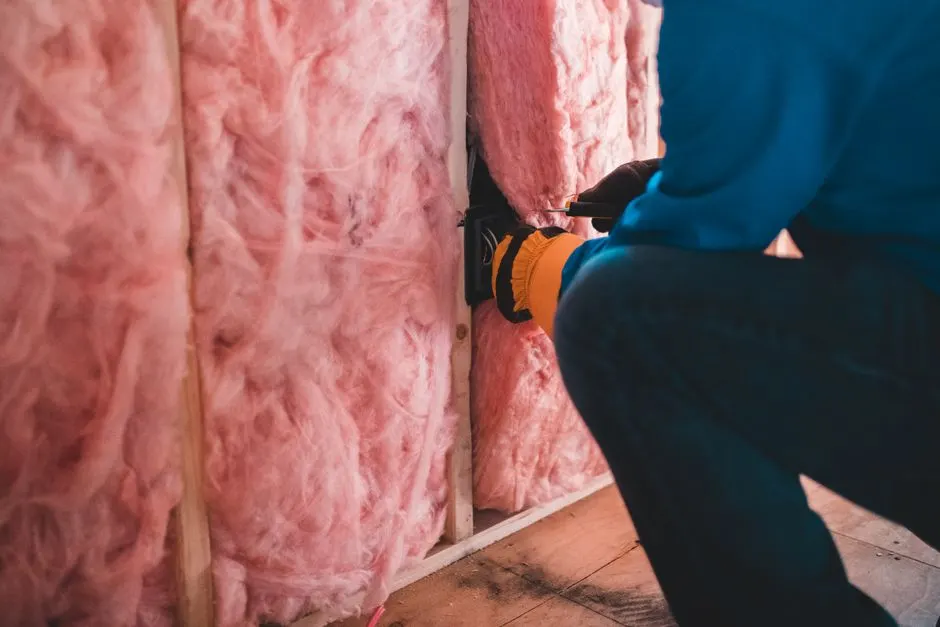
Choosing a spray foam removal company in Bridgwater comes down to four checks: local proof of work, current insurance, the extraction method they use, and a fixed written price. Get those four right and you will not end up paying twice for the same loft. Everything below is how we would judge a competitor if we were the homeowner instead of the contractor.
Most of the calls we take in Bridgwater start the same way. Someone has bought a house, the surveyor flagged spray foam under the roof felt, and the mortgage lender has put a hold on the offer until it comes out. Or they have owned the place for years and only found the foam when they went up to lay a new loft hatch. Either way, the job is the same: get the foam out cleanly, prove it to the lender, and leave the roof structure in a state that can be reinsulated properly.
What a spray foam removal company in Bridgwater actually does
Spray foam removal is the process of extracting cured polyurethane foam from a loft, roof void, attic or cavity wall and disposing of it so the structure can be surveyed, ventilated and reinsulated. It is not a case of pulling at the foam with a scraper. Cured foam bonds to timber, felt and tile battens, and the wrong technique takes the surface of the rafter with it.
A proper removal job runs in five stages. We survey the void and photograph the foam coverage. We set up containment and extraction so dust and off-gas do not travel through the house. We cut, blast or dissolve the foam depending on how it has cured. We inspect the timbers underneath for rot, damp or insect damage. Then we clear the waste and hand over a written report you can send to your lender or surveyor.
On a typical Bridgwater semi with 60 to 80 square metres of roof void, the foam comes out in a single day. Larger detached houses around Wembdon and Durleigh, or anything with a trussed roof and tight eaves access, run to two or three days.
Why local matters more than the cheapest quote
A contractor based two hours away will charge you for the travel, and they will not come back if something is wrong three weeks later. That is the practical reason to hire locally, and it is the reason we tell people to check the address on the quote, not just the price.
Bridgwater has its own set of building quirks. The town grew fast on the brick and tile industry, so you get Victorian terraces around the town centre sitting next to 1970s and 1980s estates, plus a lot of newer stock out towards Stockmoor Village. Foam behaves differently in each. In older terraces the roof void is often unvented and the foam has been in place for 20 years, so it has gone hard and brittle. In newer houses the foam is usually softer and comes out faster, but the roof felt is more likely to be a breathable membrane that tears if you are careless with a blade.
That local knowledge is not marketing talk. It changes the tools we bring and the price we quote. If you want to see how we scope a job before you commit, our page on insulation assessment in Bridgwater, Somerset walks through what a survey covers and what we photograph for the lender.
How do I choose a spray foam removal company in Bridgwater?
Choose on evidence, not on the sales pitch. Ask for the company's full trading address, their public liability and employers' liability cover, two recent Bridgwater jobs you can drive past, and a fixed price that names the extraction method. If any of those four is missing, keep looking.
Here is the order we would work through if we were hiring someone.
- Check the address. A Bridgwater or wider Somerset trading address means someone can be back on site the same week if a timber turns out to be rotten.
- Check the insurance certificate. Ask for the current certificate, not a PDF from three years ago. Public liability cover of at least £2 million is the norm for this work.
- Ask which extraction method they use. Dry ice blasting, thermal softening, sand blasting and manual cutting all suit different foam types. A company that only owns one method will use it on everything.
- Get the price in writing with the scope. Square metres of foam, number of days, waste disposal, and whether the report for your lender is included.
- Ask what happens if they find rot. The answer should be a clear hourly or day rate, agreed before they start.
If you are comparing us against another firm, do the same thing to both. It is the only fair comparison.
Questions to ask a spray foam removal company in Bridgwater
These are the questions that separate a specialist from a general builder with a van. Write them down and ask them on the phone before anyone visits.
- How many spray foam removals have you completed in the last 12 months, and how many were in Somerset?
- Which method will you use on my foam, and why that one rather than the others?
- Are you insured for working at height and for dust and chemical exposure?
- What happens to the foam once it is out - where does it go?
- Will I get a written report I can send to my mortgage lender or surveyor?
- What is the total price, and what would change it?
A specialist answers all six without hesitating. A general builder usually answers two and starts talking about the weather.
What should I look for in a local spray foam removal company in Bridgwater?
Look for three things above all: a method matched to your foam, dust and fume control that protects the rest of the house, and a paper trail your lender will accept. Everything else is secondary.
Foam type matters more than most homeowners realise. Open cell foam is soft, spongy and usually comes out with cutting and vacuum extraction. Closed cell foam sets like dense plastic and needs more force, which is where dry ice blasting and thermal methods earn their place. If a contractor quotes you the same price and the same method for both, they have not surveyed the job properly.
Dust control is the second thing. Removing foam from a loft sends fine particles down through the house if the stairwell and hatch are not sealed. We tape and sheet the landing before we open the hatch, and we run extraction at negative pressure so air moves out of the house, not through it.
The third is the report. Mortgage lenders in Somerset want photographic evidence that the foam is gone, the timbers are sound and the void is ventilated. Without that, you have paid for a removal and still cannot complete. Our mortgage lender spray foam removal in Bridgwater, Somerset service exists specifically because so many sales stall on this point.
What spray foam removal costs in Bridgwater in 2026
Typical 2026 pricing in this area runs from £1,800 to £4,500 for a standard domestic loft, with most Bridgwater jobs landing between £2,200 and £3,200. The spread is driven by foam type, access and how much of the roof void is covered.
What pushes a quote up:
- Closed cell foam. Harder to remove, slower going, more waste volume.
- Full roof coverage. Foam sprayed right down to the eaves takes longer than foam on the ridge line only.
- Difficult access. Narrow loft hatches, low headroom and trussed roofs all slow the work.
- Rot or damp found underneath. Timber repairs are a separate cost and should be quoted at an agreed day rate.
What keeps a quote down is straightforward access, open cell foam, and a void that has been left ventilated so the timbers are dry. If you are in a newer property out towards Stockmoor Village, the odds are good that your foam is open cell and your roof void is easier to work in than a town centre terrace.
Be wary of any quote below £1,200 for a full loft. At that price someone is either skipping the waste disposal, skipping the report, or planning to scrape the foam off and leave the residue behind - which is exactly what the lender's surveyor will photograph.
Common mistakes homeowners make when choosing a contractor
The most expensive mistake is hiring on price alone and then paying a second company to finish the job properly. We are called out to redo other people's work several times a year, and it always costs more than doing it once.
Other traps we see:
- Accepting a verbal quote. If it is not written down with the scope, it is not a quote.
- Not checking insurance. If a worker falls through your ceiling and the company is uninsured, that is your problem, not theirs.
- Letting someone remove the foam without a survey first. You need to know what is underneath before you agree a price.
- Assuming the cheapest method is fine. The wrong method damages rafters and roof felt, and that repair bill dwarfs the saving.
- Forgetting the lender. If the removal is tied to a mortgage, tell the contractor before they quote so the report is included.
One more: do not let anyone tell you the foam can stay if it is only in part of the roof. Lenders and surveyors in Somerset treat partial coverage the same as full coverage when it comes to valuation.
When to call a professional
Call a professional the moment foam is blocking a house sale, when you can smell damp or chemical odour in the loft, or when you can see condensation on the underside of the roof felt. Those three signs mean the foam is trapping moisture and the timber is at risk.
Small patches of surface foam in a well-ventilated loft can sometimes wait. Anything covering more than a few square metres, anything sprayed directly onto felt or battens, and anything tied to a mortgage application should be handled by a specialist with the right extraction kit and the insurance to match.
At Spray Foam Haven Experts we survey first, quote a fixed price, and hand over the photographic report your lender needs. If you are in Bridgwater or anywhere across Somerset, we can usually get eyes on the loft within a few days of your call.
Frequently Asked Questions
How do I choose a spray foam removal company in Bridgwater?
Check four things: a local trading address, current public liability insurance of at least £2 million, an extraction method matched to your foam type, and a fixed written price that includes waste disposal and a lender report. Get all four and you are dealing with a specialist rather than a general builder.
What should I look for in a local spray foam removal company in Bridgwater?
Look for proven local jobs, dust and fume control that seals your stairwell, and a written report with photographs. A company that has removed foam from Bridgwater terraces and newer estates will know how the foam behaves in each and quote accordingly.
Are spray foam removal companies in Bridgwater insured?
The reputable ones are. Ask for a current certificate showing public liability cover of at least £2 million and employers' liability cover if they use staff. Any company that cannot produce that on request should be ruled out immediately.
How many quotes should I get for spray foam removal in Bridgwater Somerset?
Three is the right number. Two leaves you guessing whether the price is fair; more than three wastes your time because the quotes start repeating. Make sure each one is written, itemised and based on an actual loft survey rather than a phone description.
How long does spray foam removal take?
A standard Bridgwater semi with 60 to 80 square metres of roof void takes one working day. Larger detached houses, closed cell foam and difficult eaves access push it to two or three days. The report is usually with you within 48 hours of completion.
Get help with Spray foam removal in Bridgwater
If you need spray foam out of a loft, roof or cavity wall in Bridgwater, we will survey it, quote a fixed price and give you the paperwork your lender wants. Call us on 0127 827 6038 and we will book a visit.